We often spend a fortune on skincare for our face, yet neglect the two hardworking structures that carry us through life—our feet. They endure pressure, confinement in shoes, and constant impact. Regular foot care, or pedicure beyond mere polish, is not a luxury; it’s a cornerstone of holistic well-being. This guide explores the why, what, and how of foot care, helping you build a simple yet effective routine.
Why Your Feet Deserve Regular Care?
Think of your feet as the foundation of a building. If the foundation is stressed, the entire structure feels it. Our feet contain a quarter of the body’s bones, numerous joints, tendons, and over 7,000 nerve endings connected to every organ and system (reflexology maps illustrate this beautifully). Regular foot care offers tangible benefits:
- Enhanced Circulation: Prolonged sitting or standing can lead to poor blood flow. Massage and soaking stimulate circulation, reducing swelling, delivering oxygen, and promoting healing.
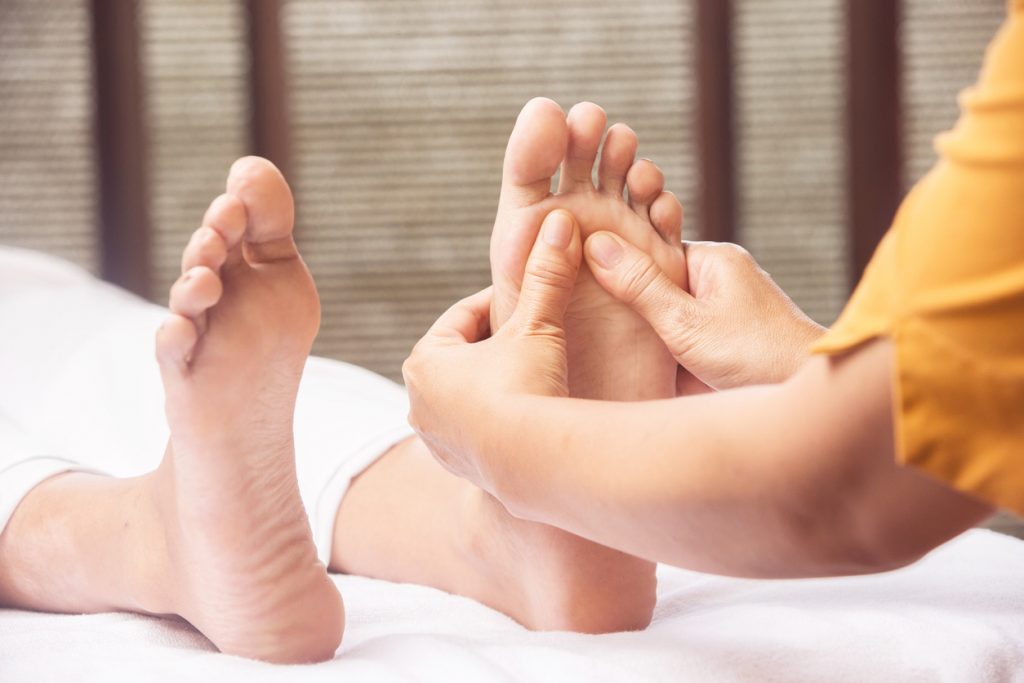
- Stress and Pain Relief: Tense feet contribute to aches in the knees, hips, and back. Focused massage releases tension in the plantar fascia (the foot’s arch ligament) and calf muscles, creating a ripple effect of relaxation throughout the body.
- Improved Skin Health: It combats dryness, calluses, and cracked heels, preventing painful fissures and infections. Soft, healthy skin is more resilient.
- Mindful Relaxation: The act of caring for your feet forces a pause. It’s a tactile, mindful practice that lowers cortisol levels and signals the nervous system to rest.
The Foot Care Toolkit: Essential Products
A basic foot care regimen doesn’t require a spa’s inventory. Strategic tools yield the best results:
1. Cleansing & Soaking: It begins with a Foot Bath (basin). Add Epsom Salts (magnesium sulfate) to warm water to soothe muscles and soften skin, or Essential Oils like peppermint (invigorating) or lavender (calming).
2. Exfoliation & Callus Management:
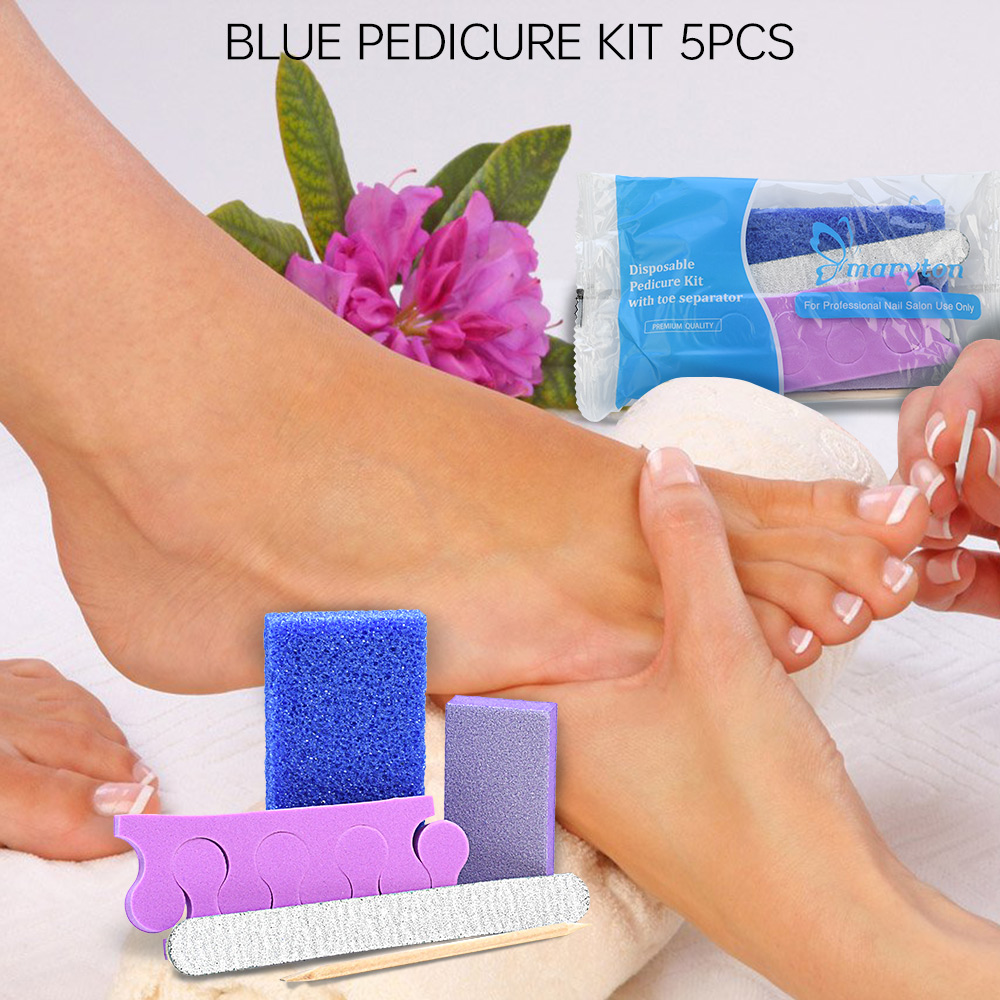
- Pumice Stone or Foot File: For dry skin and mild calluses. Use on damp skin with gentle, circular motions.
- Callus Rasp/Reducer: For thicker calluses. Use with extreme caution, only on damp skin, and never to the point of redness.
- Foot Scrubs: Sugar or salt-based scrubs with oils provide gentle exfoliation and hydration.
3. Nail Care:
- Nail Clippers & Nipper: For straight-across trimming and careful cuticle management.
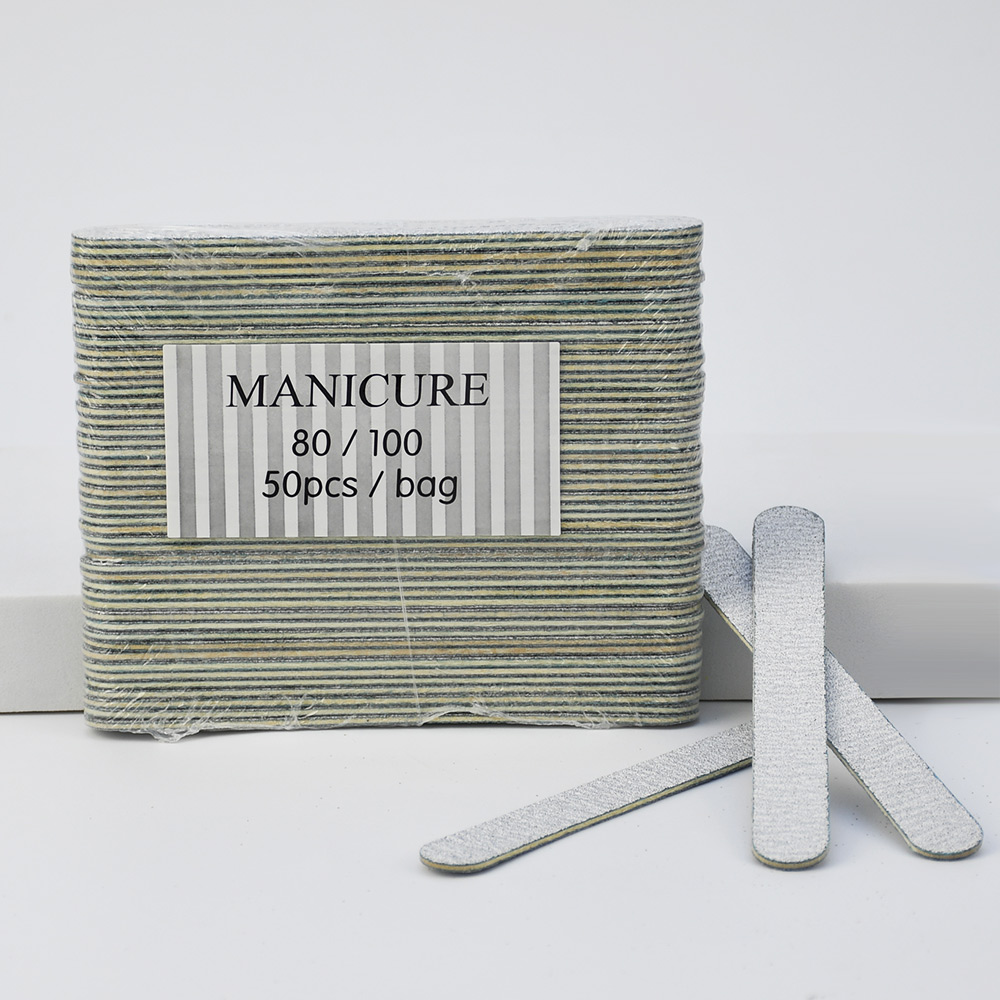
- Nail File/Emery Board: To smooth edges and prevent ingrown toenails.
4. Moisturizing & Recovery:
- Foot Cream or Balm: Thicker than hand lotion, with ingredients like urea, shea butter, or tea tree oil for intense hydration and antimicrobial properties.
- Moisturizing Socks: Wear these after applying a thick layer of cream overnight to deeply condition skin.
5. Massage & Relief:
- Foot Roller or Massage Ball: Perfect for self-massage to roll out tension in the arch and heel.
- Manual Massager: Tools with nodules and rollers to stimulate pressure points.
Choosing Your Tools: A Standards Checklist
With countless products available, smart selection is key:
- Material & Quality: Opt for natural materials like volcanic pumice, stainless steel (for tools like nippers), and rust-resistant metals. Avoid cheap plastic that can break or harbor bacteria.
- Ergonomics & Grip: Tools should feel comfortable and secure in your hand, especially files and callus removers, to ensure control and safety.
- Skin Type & Need: Choose grit levels appropriately. A coarse file is for severe calluses, a fine pumice for maintenance. If you have diabetes or poor circulation, consult a podiatrist before using any abrasive tools.
- Multi-functionality: Consider combo tools, like a foot file with different grit sides or a massaging roller with textured surfaces, to minimize clutter.
- Hygiene: Prioritize tools that are easy to clean and dry. Non-porous materials are best to prevent bacterial growth.
Important Safety Notes & Best Practices
- Soak First, Then Exfoliate: Always soften skin with warm water for 10-15 minutes before using any file or pumice.
- Gentleness is Key: Remove dead skin gradually over multiple sessions. Never scrape skin until it’s raw or painful.
- Trim Nails Carefully: Cut straight across, not rounded at the corners, to prevent ingrown toenails. Don’t cut cuticles aggressively; push them back gently instead.
- Mind Medical Conditions: Individuals with diabetes, neuropathy, severe circulatory issues, or open wounds should seek professional podiatric advice before performing home foot care.
- Sanitize Your Tools: Rinse and dry all tools thoroughly after each use. Periodically disinfect them with rubbing alcohol.
In conclusion, investing in a few high-quality foot care products and dedicating 20 minutes weekly can transform your feet from an afterthought to a source of strength and comfort. By understanding the benefits, equipping yourself wisely, and practicing safe techniques, you empower yourself to stand on a foundation of genuine well-being. Your feet have carried you this far; they deserve nothing less than attentive, loving care.
Read also: Time for a Change: Why and How to Remove Semi-Permanent Nail Polish